



<ul>
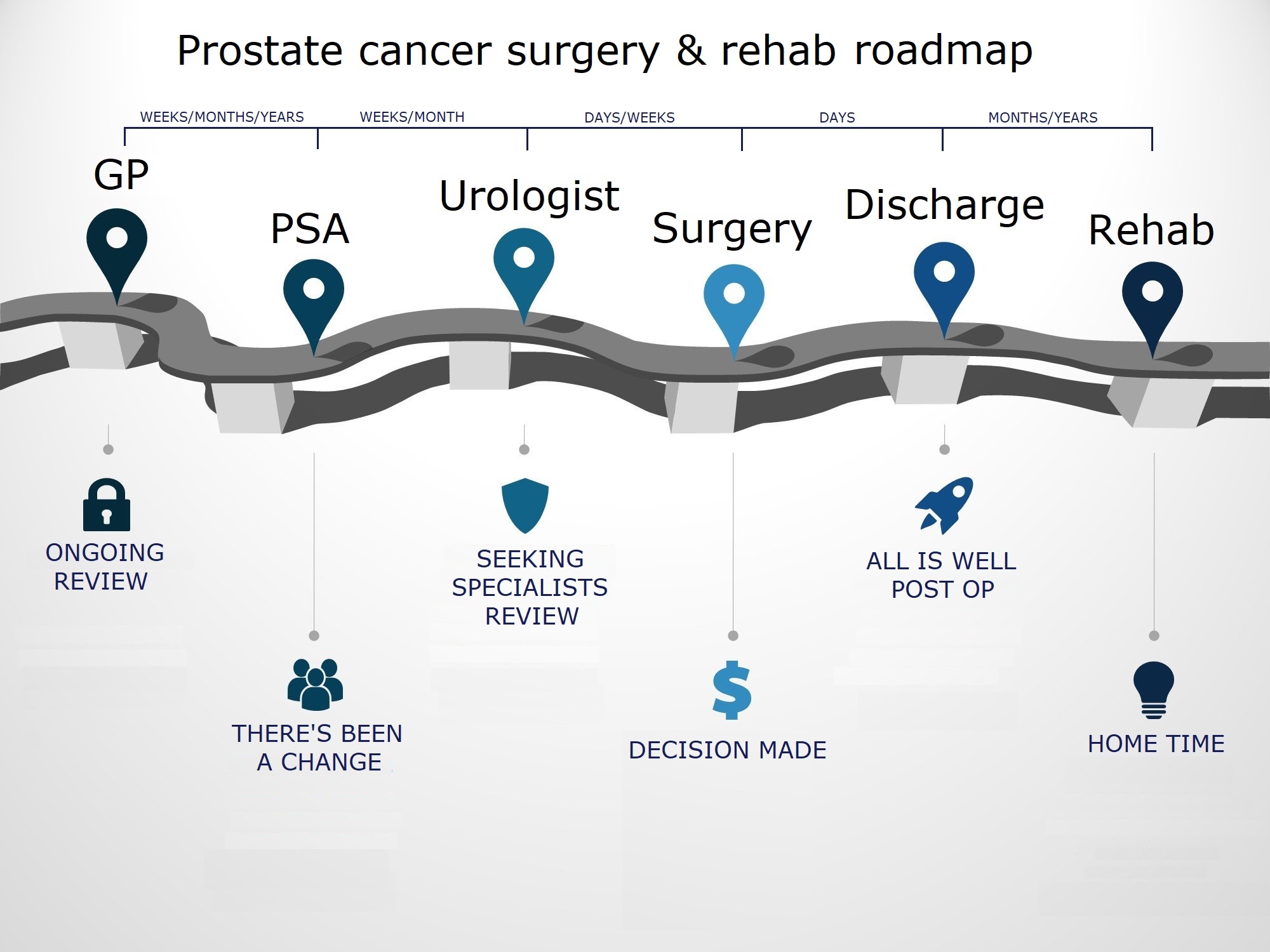
<li>In most circumstances a patient will be under review by their GP, either because they’ve been symptomatic (poor or reduced urine stream, getting up at night to urinate more than usual) or because they have a family history of prostate cancer. Your GP will typically review your blood pathology results (PSA test) and may perform a rectal prostate exam. In cases where PSA levels have increased more than your GP would consider normal, they will refer you to a Urologist for further examination. The relationship between changes in PSA level and prostate cancer is not linear. For example, a patient’s PSA level may increase from 2 to 5 and they may have prostate cancer whereas another patient’s PSA may increase from 15-18 and they may not have prostate cancer. This is why it is important to have a review with a Urologist</li>
<li>Typically, when you see a Urologist, they will review your pathology, rectal exam and, if necessary, they may perform an ultrasound guided biopsy of the prostate. Your Urologist takes multiple cores to determine a Gleason Score (a system used to rank the aggressiveness of prostate cancer). Pending the result of the biopsy, your Urologist will opt for a either a “watch and wait†approach or advocate for a radical prostatectomy if the risks of leaving the prostate intact are outweighed by the possible progression of cancer beyond the prostate</li>
<li>In the case of simple <a href="https://staging.menshealthdownunder.com.au/pros-ta-tec-tomy/#BPH">BPH (swelling of the prostate)</a>Â your Urologist may prescribe medications such as tamsulosin, dutasteride or a combination to manage symptoms. Alternatively they may perform a <a href="https://staging.menshealthdownunder.com.au/pros-ta-tec-tomy/#TURP">Transurethral Resection of the Prostate (TURP)</a>. This surgery utilises a combined visual and surgical instrument called a resectoscope which is inserted through the tip of the penis and into the urethra. It acts like a re-bore or the prostate, relieving some of the pressure the prostate places on the urethra, allowing normal urine flow. It is worth noting that once you reach 50 years of age there is a 50% chance you will develop BPH, and for every year after your 50th birthday the percentage risk of developing BPH is the same as your age - i.e. at age 90 there is a 90% chance of developing BPH</li>
<li>Once a diagnosis of prostate cancer is made and a radical prostatectomy is decided upon, patients are generally operated on within a small number of weeks. <em>Da Vinci Robotic </em>surgery is the gold standard for prostatectomy and involves having <a href="https://staging.menshealthdownunder.com.au/pros-ta-tec-tomy/#RADPROS">5 small incisions made across your abdomen</a> through which surgical instruments can be inserted. This technology is preferred because it is less traumatic, minimally invasive and enables the surgeon to overcome many of the shortcomings of both open prostatectomy (larger incision) and laparoscopic prostatectomy (smaller incision). The shortcomings of open prostatectomy and laparoscopic prostatectomy include reduced patient activity and mobility, increased time spent in hospital and more often results in loss of bladder control and sexual function because of damage to the delicate network of nerves around the prostate</li>
<li>All forms of prostate surgery are quite expensive (approx $14,000-$20,000) and despite having private health insurance you will still encounter significant out of pocket expenses if the surgery is performed in the private setting (as opposed to having the surgery in the public system). Given the often urgent need for surgical intervention, many patients rely on the private health system to avoid the potential waiting lists of the public system</li>
<li>Once the surgery is complete, your hospital stay is brief; with robotic prostatectomy your hospital stay is generally less than a week (it may even be one to two days). It is interesting to note that robotic surgery takes only 2-3 hours which is very quick compared to the other traditional removal options, hence some of the improved recovery times. It is also worth noting that all patients will have a catheter inserted for their surgery. The catheter usually remains in place for 7-10 days post-operatively, after which it is removed (assuming there hasn’t been any complications) by your Urologist or their registrar</li>
<li>After this you will return home and begin your rehabilitation. This has historically involved a physiotherapist advising on pelvic floor exercises to correct incontinence but today we aim to treat more than continence</li>
</ul>
<p>Research shows that vacuum therapy is a highly beneficial method of rehabilitation following radical prostatectomy.</p>
<p>The goal of penile rehabilitation therapy is to get good, regular blood flow into the penis. This aids in preventing atrophy and fibrosis (death of the cells/tissues and toughening of the blood vessels) of the penis. Beyond this you may find that regular use of the pump will also increase the length of the penis (noting a shortened penis length post-surgery) and maximise erectile function so that a spontaneous erection can be achieved in time.</p>
<p>The vacuum therapy device works by creating negative pressure around the penis, thereby increasing blood flow to the penis. When used as a <b>treatment for erectile dysfunction (not for rehab post prostatectomy)</b>, the penile tube is placed over the penis, vacuum suction is applied and an erection is induced. Once the erection is achieved, a silicone constriction band is placed around the base of the penis and will hold the erection in place.</p>
<p>When using vacuum therapy for <b>rehabilitation therapy post prostatectomy</b> the pump is used in much the same way, except without the use of a constriction ring. Negative pressure is applied to increase blood flow to the penis, however, the constriction ring is not used because it prevents venous outflow and in fact reduces blood flow. Using vacuum therapy without the ring helps stimulate oxygenated blood flow, which can reduce the fibrotic changes that can occur after a radical prostatectomy. This is why vacuum therapy should be done daily for 10-15 minutes, ensuring that the penis is stretched out, limiting shortening and encouraging regular blood flow.</p>
<p>We feel that it is important you invest in a quality, medical-grade pump designed for therapeutic use. It’s important at this juncture not to buy a “toy†or “novelty†pump, but to look for a quality instrument, backed up by a solid reputation. Men’s Health Downunder have worked with Andromedical in the USA since 2015. We recommend their Pos-T-Vac device. It is TGA (Therapeutic Goods Administration) approved as a medical device in Australia, CE approved in Europe and FDA approved in the USA. It is widely recommended as the pump of choice by Urologists world wide and this is why we support them. It is available in the ‘Shop’ or via the link below.</p>
<h4>Sample vacuum pump regimen</h4>
<p>When using vacuum therapy for penile rehabilitation, the goal is to improve blood flow to the penis; this in turn helps to repair and maintain the penile tissue. A typical session involves the following steps:</p>
<ol>
<li>Apply the vacuum pump and draw blood into the penis (you may need to lightly shave around the base of the penis and use a little water based lubricant)</li>
<li>Leave the penis fully engorged in the pump for 5 minutes</li>
<li>Remove the pump and let the penis return to flaccid for 1 to 2 minutes</li>
<li>Repeat the vacuum suction and hold the erection for another 5 minutes. This should be done 2-3 times. Alternatively you may wish to simply leave the pump over the penis for 10-15 minutes.</li>
</ol>
<p>Doing this repeatedly can increase blood flow, decrease swelling, and increase lactate and oxygen exchange.</p>
<h4>Rehabilitation tips</h4>
<ul>
<li>Wait two full weeks after your catheter is removed before beginning rehabilitation</li>
<li>Be patient, be patient and be persistent. It is common to not get full engorgement for some days or weeks</li>
<li>Give yourself time to get familiar again with the sensation of being engorged. To do this, some men prefer to activate the pump for 30 seconds, and then rest for 30 seconds before activating the pump again. When starting your rehabilitation this ‘on/off’ process may be a gentle way to become acquainted with using the device</li>
<li>The end point for use of the pump is generally after 6 months treatment which is when we start to see erectile function return</li>
</ul>
-
<div class="span6">
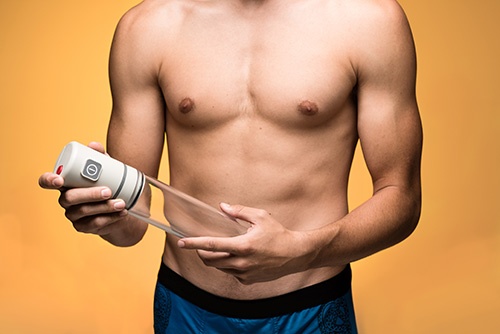
<h2>Step 1:</h2>
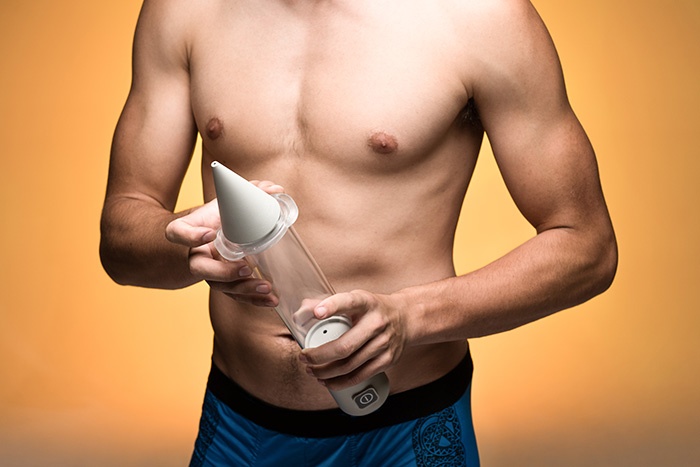
<p>Attach the pump head to the penile tube. The pump head will look different depending on whether it’s with a manual or battery operated system.</p>
</div> -
<div class="span6">
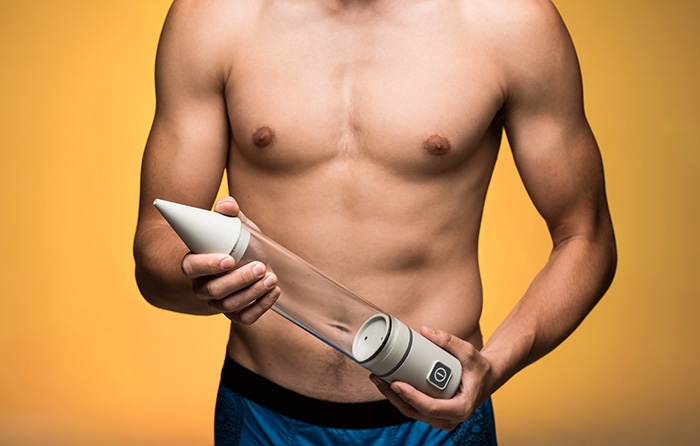
<h2>Step 2:</h2>
<p>Place the loading cone on the other end of the penile tube</p>
</div> -
<div class="span6">
<div class="span6">
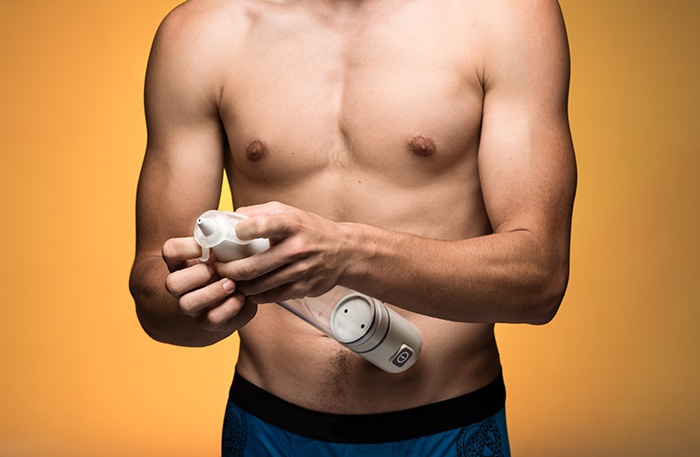
<h2>Step 3:</h2>
<p>Slide a tension ring over the top of the cone and down just past the base of the cone, on to the edge of the penile tube.</p>
<p>For your first time, we recommend using the tension ring size that’s in the middle. If the ring is too tight, you can move up to a larger size. And if your erection doesn’t last as long as you’d like, you can move down to a smaller size.</p>
<p>To slide the tension ring down to the base of the cone, place the middle ring over the top of the cone and use the two handles to move downward. Feel free to use lubricant if you need to.</p>
</div>
</div> -
<div class="span6">
<div class="span6">
<div class="span6">
<h2>Step 4:</h2>
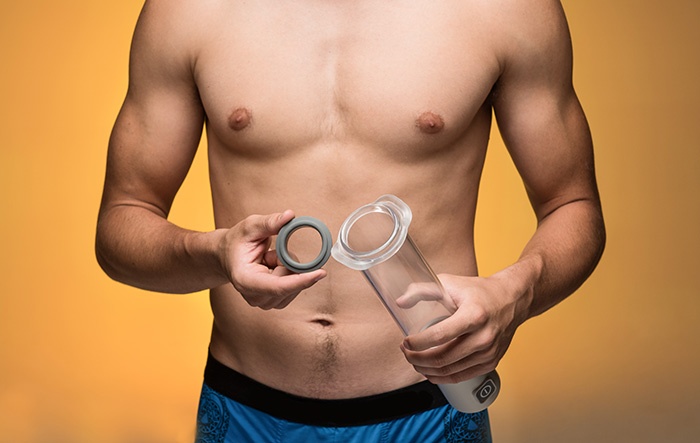
<p>Once the tension ring is securely on the penile tube, remove the cone.</p>
</div>
</div>
</div> -
<div class="span6">
<div class="span6">
<div class="span6">
<h2>Step 5:</h2>
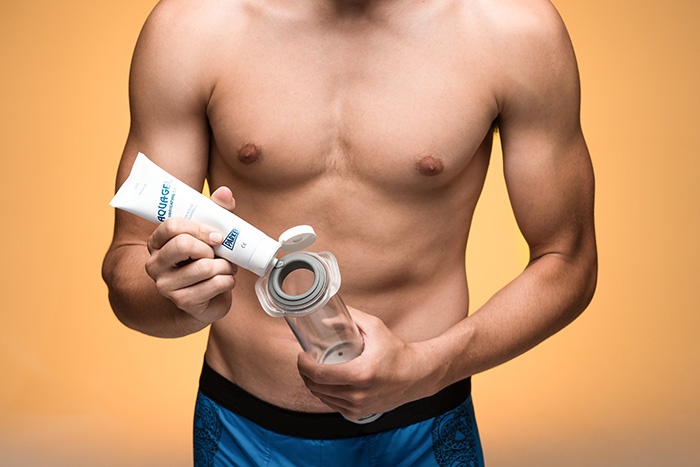
<p>Insert the bushing into the same end of the tube where you just removed the cone.</p>
</div>
</div>
</div> -
<div class="span6">
<div class="span6">
<h2>Step 6:</h2>
<p>Apply lubricant to the bushing, the inside of the penile tube and the pubic area.</p>
</div>
</div> -
<div class="span6">
<div class="span6">
<div class="span6">
<h2>Step 7:</h2>
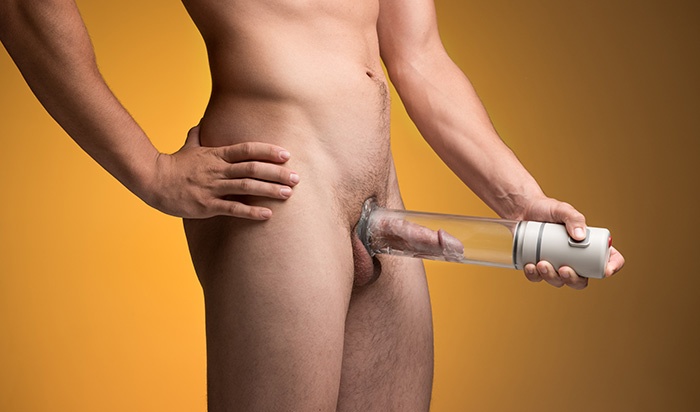
<p>Place the lube-side end of the penile tube over your penis, being sure to hold the tube firmly to create a tight seal against your body.</p>
</div>
</div>
</div> -
<div class="span6">
<div class="span6">
<div class="span6">
<div class="span6">
<h2>Step 8:</h2>
<p>Begin engaging the pump. For motor systems, you’ll press the red button. For manual systems, you’ll pull the handle. In both cases, the pump will begin drawing blood into your penis, forming an erection.</p>
</div>
</div>
</div>
</div> -
<div class="span6">
<div class="span6">
<div class="span6">
<div class="span6">
<div class="span6">
<h2>Step 9:</h2>
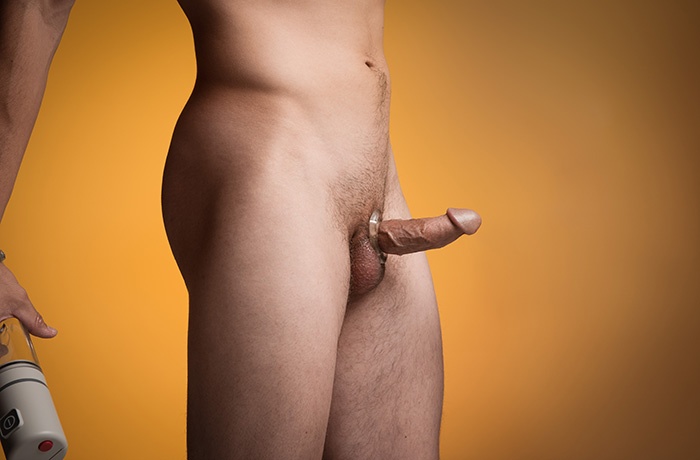
<p>Once you’ve achieved the desired erection, slip the tension ring off the end of the penile tube and on to the base of your penis.</p>
<h2>Step 10:</h2>
<p>You now have a firm erection that will last for 30 minutes!</p>
</div>
</div>
</div>
</div>
</div>